Rubber cables are a critical component in modern electrical infrastructure, especially in environments where flexibility, durability, and resistance to harsh conditions are essential. From construction sites to marine operations, these cables deliver reliable performance where conventional cables often fail.
This comprehensive guide explores the definition, types, benefits, and real-world applications of rubber cables, supported by industry insights and practical examples.
What Are Rubber Cables?
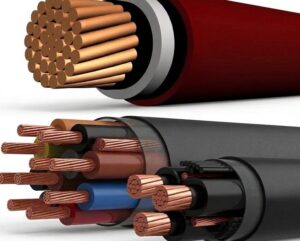
Rubber cables are electrical cables that use natural or synthetic rubber compounds as insulation and outer sheathing. This construction provides enhanced elasticity, mechanical strength, and environmental resistance compared to traditional materials like PVC or XLPE.
Unlike rigid cables, rubber cables are specifically designed to withstand bending, twisting, and movement without compromising electrical performance. Their molecular structure allows them to maintain flexibility across a wide temperature range while resisting cracking and degradation.
Key Characteristics
- High flexibility for dynamic applications
- Strong resistance to abrasion and mechanical stress
- Excellent performance in extreme temperatures
- Resistance to moisture, chemicals, and oils
- Long operational lifespan in harsh environments
These properties make rubber cables indispensable in industries that demand reliability under continuous motion or exposure to tough conditions.
Composition and Materials Used
Rubber cables are manufactured using a variety of elastomeric materials, each offering specific performance characteristics.
Common Rubber Compounds
- Natural Rubber
- Styrene-Butadiene Rubber (SBR)
- Ethylene Propylene Rubber (EPR)
- Silicone Rubber
- Neoprene (Polychloroprene)
These materials are typically vulcanized, a process that enhances thermal stability and prevents melting under heat exposure.
Types of Rubber Cables
Different industries require different cable specifications. Below are the most common types:
Heavy Duty Rubber Cables
These are designed for industrial applications involving heavy machinery and high mechanical stress. Heavy duty rubber cables are highly durable and resistant to wear and tear.
Flexible Rubber Cables
Ideal for portable equipment and tools, flexible rubber cables allow easy movement without damage.
Heat Resistant Rubber Cables
Used in high-temperature environments such as furnaces and manufacturing plants. Heat resistant rubber cables maintain performance under extreme heat.
Waterproof Rubber Cables
Suitable for outdoor and wet environments. waterproof rubber cables prevent moisture ingress and ensure safety.
Mining and Welding Cables
Specialized cables designed for mining operations and welding equipment, where durability and flexibility are crucial.
Specialty Rubber Cables
These include cables tailored for specific environmental or operational conditions:
- Oil-resistant cables for petrochemical industries
- High-temperature cables for furnaces and steel plants
- Flame-retardant cables for public infrastructure
- Cold-resistant cables for extreme climates
Benefits of Rubber Cables
Rubber cables offer several advantages that make them superior to conventional cable types in challenging environments.
1. Exceptional Flexibility
Rubber cables maintain flexibility even in extreme temperatures, allowing them to perform reliably in dynamic applications.
2. Durability and Mechanical Strength
They can endure repeated bending, stretching, and dragging without damage, making them ideal for mobile equipment.
3. Resistance to Harsh Conditions
Rubber insulation provides protection against:
- Moisture and water
- Oils and chemicals
- UV radiation and weather exposure
This ensures consistent performance in outdoor and industrial environments.
4. Thermal Stability
Rubber cables operate efficiently across a wide temperature range, from sub-zero conditions to high-heat industrial settings.
5. Enhanced Safety
Flame-retardant variants reduce fire risks, while robust insulation minimizes electrical hazards.
Applications of Rubber Cables
Rubber cables are widely used across multiple industries due to their adaptability and reliability.
1. Industrial Applications
Rubber cables are extensively used in manufacturing plants, automation systems, and heavy machinery.
Example:
In steel mills, cables must endure constant motion and high temperatures. Rubber cables provide uninterrupted power supply without insulation failure.
2. Construction Industry
Construction sites demand cables that can withstand rough handling and environmental exposure.
Use Cases:
- Temporary power distribution
- Portable tools
- Welding equipment
Rubber cables prevent damage from abrasion and sharp objects, ensuring operational continuity.
3. Mining Operations
Mining environments are among the harshest for electrical systems.
Applications:
- Underground machinery
- Drilling equipment
- Conveyor systems
Rubber cables ensure safety and reliability in these high-risk conditions.
4. Marine and Offshore Applications
Due to their water resistance, rubber cables are ideal for:
- Ships and boats
- Offshore oil rigs
- Port operations
They maintain performance despite constant exposure to moisture and saltwater.
5. Portable Equipment and Events
Rubber cables are commonly used in:
- Stage lighting systems
- Outdoor events
- Temporary installations
Their flexibility allows easy setup and repositioning.
6. Residential and Commercial Use
Although primarily industrial, rubber cables are also used in:
- Power tools
- Extension cords
- Workshops
Standards and Compliance
Rubber cables must meet international standards to ensure safety and performance.
Common Standards
- IEC 60245 for low-voltage rubber cables
- IEC 60332 for flame resistance
- BS and EN standards for regional compliance
These standards define insulation quality, voltage ratings, and fire performance, ensuring reliability across applications.
Comparison: Rubber Cables vs PVC Cables
| Feature | Rubber Cables | PVC Cables |
| Flexibility | Very High | Moderate |
| Temperature Range | Wide | Limited |
| Durability | High | Moderate |
| Resistance to Chemicals | Strong | Limited |
| Suitable for Movement | Yes | Limited |
Rubber cables clearly outperform PVC cables in dynamic and harsh environments.
How to Select the Right Rubber Cable (Selection Guide)
- Identify the Application: Evaluate where the cable will be used and consider environmental factors such as temperature, moisture, chemicals, and mechanical stress.
- Check Voltage and Current Requirements: Select a cable with the appropriate rating based on the electrical load and equipment specifications.
- Consider Flexibility Needs: For moving machinery or portable tools, choose highly flexible, fine-stranded cables like welding cables.
- Select the Right Temperature Rating: Use silicone rubber cables for high-heat environments and EPR cables for a wide industrial temperature range.
- Assess Chemical and Water Resistance: Opt for submersible or HOFR cables in environments exposed to water, oil, or harsh chemicals.
- Choose the Suitable Conductor: Use copper conductors for general applications and tinned copper for corrosive or marine environments.
- Verify Standards and Certifications: Ensure the cable meets recognized standards such as IEC, UL, CSA, CE, or BS for safety and quality assurance.
AI Overview
Rubber cables are flexible, durable electrical cables designed for harsh environments. This guide covers types, benefits, applications, and how to choose the right cable for safe, reliable performance.
FAQs
What are the applications of rubber cables?
Rubber cables are used in construction, mining, marine, and industrial environments needing flexibility. They are ideal for portable tools, heavy machinery, and outdoor setups.
What are the 4 types of cables?
The four main types include power cables, control cables, communication cables, and flexible cables.
What are the 7 different types of cable connectors?
Common connectors include USB, HDMI, VGA, RJ45, BNC, coaxial, and XLR. They are used for power, data transmission, audio, video, and networking.
What are the applications of cable?
Cables transmit electricity, signals, and data across residential, commercial, and industrial sectors. They support power distribution, telecommunications, and electronic devices.
Conclusion
Rubber cables are essential for modern electrical systems, offering unmatched flexibility, durability, and resistance to harsh environments. From industrial machinery to marine operations and construction sites, these cables ensure safety, reliability, and long-lasting performance.
For businesses and homeowners in UAE looking for premium electrical solutions, Aswan Electric is your trusted supplier for high-quality rubber cables, wires, and complete power solutions.
Ready to Upgrade Your Electrical Systems?
Explore Aswan Elect’s range of rubber cables to boost safety, efficiency, and performance across UAE projects. Connect with our team today for expert guidance and tailored solutions.