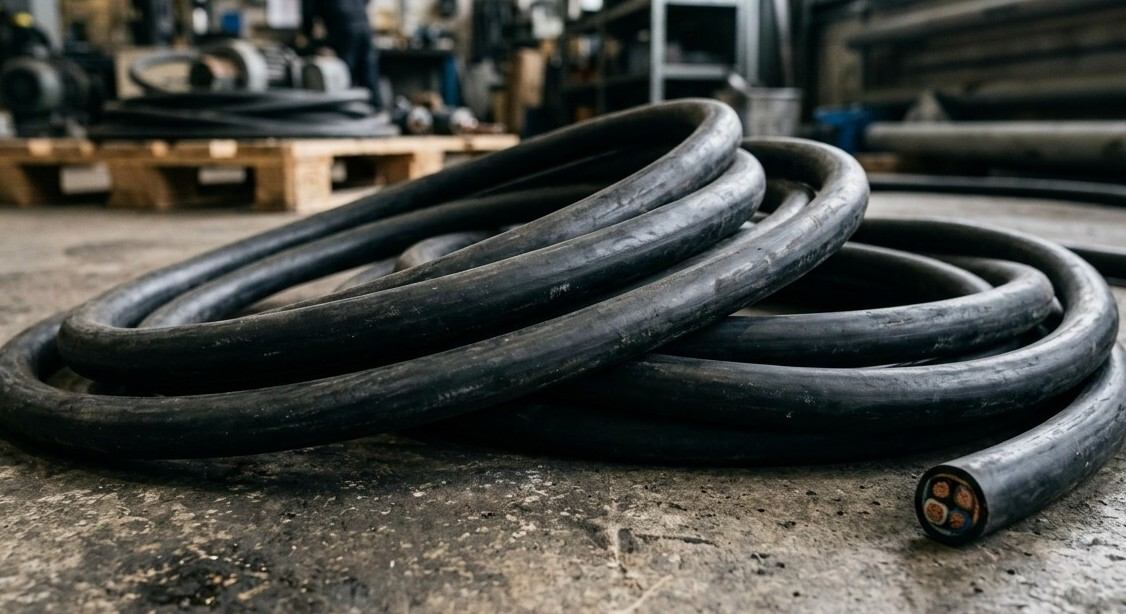
Construction sites need electrical cables that can handle movement, impact, moisture, dust, and changing working conditions. Unlike rigid wiring, a rubber flexible cable can bend, move, and withstand demanding site environments. Rubber flexible cables are designed with flexible conductors and durable insulation. Depending on the cable type, they can provide reliable electrical performance while resisting abrasion, oil, weather, and mechanical stress. Understanding their common applications helps contractors choose the right cable for safe and efficient construction work.
What Is a Rubber Flexible Cable?
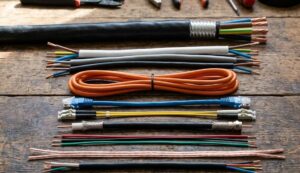
A rubber flexible cable is an electrical cable made with flexible copper conductors and a rubber-based insulating or sheathing material. Its construction allows repeated bending without quickly damaging the conductors. Many types are suitable for portable electrical equipment and temporary installations.
The flexibility of these cables is especially useful where equipment moves regularly. Construction projects often involve changing work areas, temporary connections, and heavy machinery. A flexible rubber cable can adapt to these conditions more effectively than a standard rigid cable.
1. Portable Construction Tools
Power tools are among the most common applications for rubber flexible cables. Drills, grinders, saws, mixers, and other portable tools are frequently moved around construction sites. Their power cables may be dragged, bent, twisted, or exposed to rough surfaces.
A durable rubber flexible cable helps maintain dependable power while supporting regular movement.
2. Construction Machinery
Heavy construction equipment often requires robust electrical connections. Concrete mixers, pumps, compressors, welding machines, and similar machinery may operate in demanding environments where cables face vibration and mechanical stress.
Using a suitable flexible rubber cable can provide a practical connection between equipment and a power source. Contractors should select the correct voltage, current rating, conductor size, and environmental protection for each machine.
3. Temporary Power Distribution
Temporary electrical systems are essential on construction sites before permanent building services are installed. Distribution boards, temporary panels, generators, and portable power units may need flexible connections that can be relocated as the project progresses.
Rubber flexible cables are well suited to these temporary power applications because they are easier to route and reposition.
4. Welding Equipment
Welding areas demand cables that can tolerate repeated movement and demanding site conditions. They often require flexible connections because operators need freedom to move equipment and work around different structures.
A high quality rubber flexible cable can support portable welding setups when its electrical specifications match the equipment.
5. Concrete Pumps and Mixers
Concrete work creates challenging conditions for electrical equipment. Cables can encounter wet surfaces, cement dust, abrasion, and frequent movement around mixers and pumping equipment.
Flexible rubber cables can be useful for supplying power to concrete mixers, pumps, and related equipment. Their flexible construction helps simplify movement around busy work areas. Where moisture is present, contractors should use a cable specifically rated for the expected environmental conditions.
6. Site Lighting Systems
Adequate lighting is necessary for construction work during low-light conditions, enclosed areas, and evening shifts. Temporary floodlights, work lights, and portable lighting systems often need cables that can be moved as work zones change.
Rubber flexible cable provides a convenient option for these temporary lighting arrangements. Its ability to bend and route around equipment can make installation easier.
7. Generators and Portable Power Equipment
Generators are widely used when grid power is unavailable or additional power is required. Their connections may need to be repositioned as construction activities move between areas.
A flexible rubber cable can provide a practical connection for generators and portable power equipment when properly rated. Selecting the right cable size and insulation class helps support safe operation under the expected electrical load.
These qualities are valuable where electrical equipment must move between work areas.
Using cable ramps on site, protective covers, and appropriate routing methods can extend service life and improve site safety.
Key Benefits of Rubber Flexible Cable on Construction Sites
The main advantage is flexibility, but these cables offer several other useful characteristics. A quality rubber cable can provide good resistance to abrasion and mechanical stress, depending on its construction. Rubber insulation can also remain flexible across a useful temperature range.
Other benefits include easier handling, convenient routing, suitability for portable equipment, and reliable performance in demanding applications. However, not every rubber cable is designed for every construction environment.
How to Choose the Right Rubber Flexible Cable
Start by identifying the equipment’s voltage and current requirements. Next, consider conductor size, number of cores, cable length, operating temperature, and expected movement. Environmental conditions also matter. Construction sites may expose cables to water, oils, chemicals, sunlight, dust, and mechanical impact.
Look for a cable with ratings appropriate to the application. If the cable will be repeatedly moved, dragged, or flexed, choose a product specifically designed for flexible service. Proper cable selection can improve operational reliability while reducing avoidable electrical risks.
Conclusion
Rubber flexible cable is a practical solution for many construction applications, from portable tools and welding equipment to temporary power, lighting, generators, concrete machinery, and heavy equipment. Its flexibility makes it easier to handle and route where regular movement is unavoidable.
For those researching electrical cable solutions for construction and industrial applications, Aswan Electric, an experienced electrical supplier in Dubai UAE, provides useful information on different cable options and their applications. If you need guidance on selecting a suitable cable for a specific installation, contact our team to discuss your project requirements.