A good electrical supplier holds the right approvals (IEC, DEWA, ECAS), sells genuine branded products with clear ratings, keeps real stock, quotes prices without hidden charges and supports you after delivery. This guide explains each check in plain terms and ends with a simple scorecard you can use before placing an order.
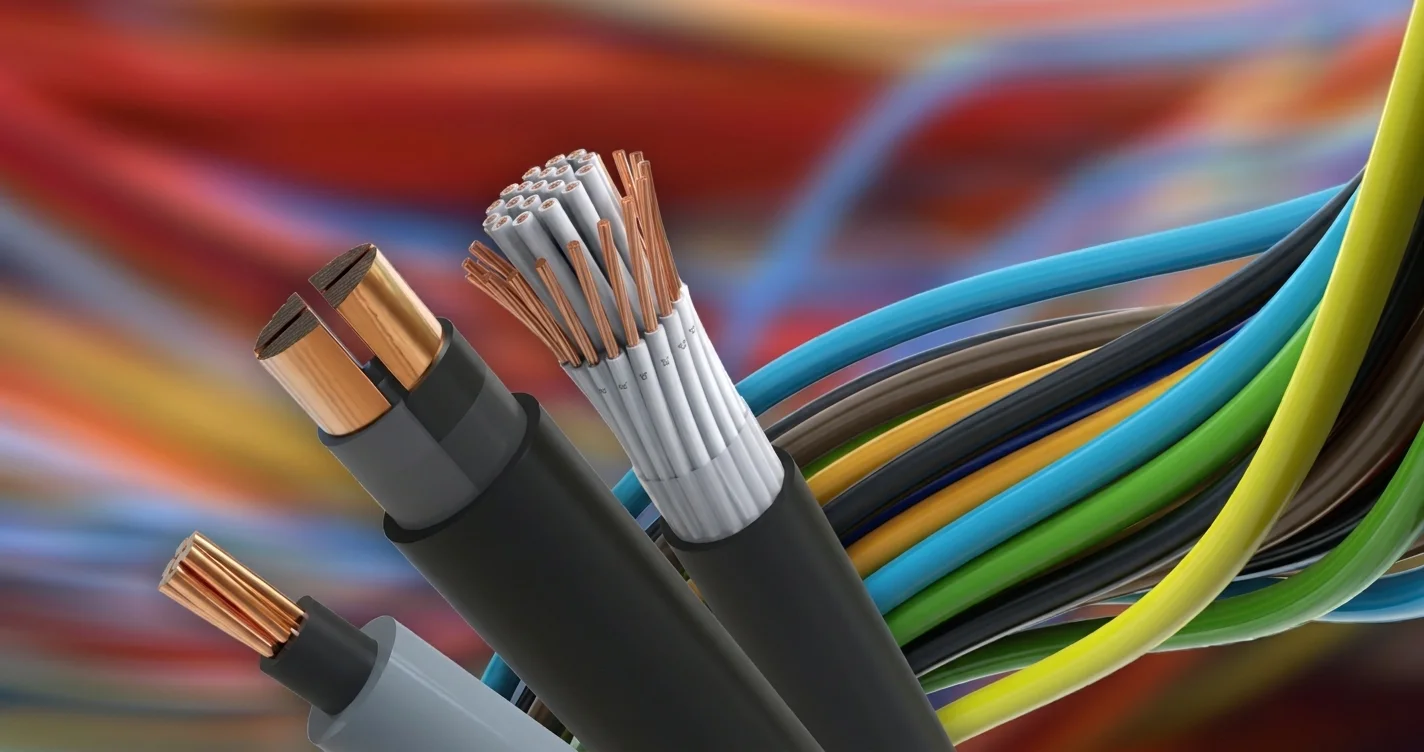
Control cables play an important role in industrial electrical systems. They carry signals and control commands between equipment such as sensors, switches, motors, control panels, and automation devices. These connections help machines operate correctly and allow operators to monitor and manage different processes.
Choosing the right control cable is important for maintaining reliable signal transmission and safe operation. Factors such as the number of cores, conductor size, shielding, insulation material, and installation environment all affect cable performance. This guide explains what control cables are, their common types, industrial uses, and the main points to consider when selecting them.
What Are Control Cables?
Control cables are electrical cables designed to transmit control signals and low-current electrical power between devices in industrial and commercial systems. They connect control panels, sensors, switches, relays, motors, and other equipment to support machine operation and automation.
Unlike cables designed mainly for power distribution, control cables are generally used for communication and control functions. Their construction varies depending on the application, operating conditions, and level of protection required.
How Do Control Cables Work?
Control cables provide a connection between electrical components so that signals can travel from one device to another. For example, a sensor may detect a change in temperature or pressure and send a signal through a control cable to a control panel.
The control system processes this information and sends commands to equipment such as motors, valves, or alarms. This allows industrial systems to operate automatically or respond to instructions from an operator.
The cable’s conductor carries the electrical signal, while its insulation and outer sheath protect the conductors from electrical contact and environmental damage. Some control cables also include shielding to reduce interference from nearby electrical equipment.
What Are the Different Types of Control Cables?
Control cables are available in different constructions to meet specific electrical and environmental requirements. The right type depends on whether the installation needs protection against electromagnetic interference, flexibility, heat, moisture, or mechanical damage.
Unshielded Control Cables
Unshielded control cables are commonly used in installations where electrical interference is not a major concern. They have insulated conductors inside an outer sheath but do not include an additional conductive shielding layer.
These cables are suitable for general control applications where signals can travel reliably without extra protection against electromagnetic interference.
Shielded Control Cables
Shielded control cables include a conductive layer around the insulated conductors. This layer helps reduce the effect of electromagnetic interference from nearby motors, power cables, and electrical equipment.
They are commonly used in automation systems, instrumentation, and industrial environments where accurate signal transmission is important.
Common shielded cable constructions include:
- CY cables: Usually feature a copper wire braid or screening layer.
- SY cables: Commonly use a galvanised steel wire braid for additional mechanical protection.
- YY cables: Generally have no additional shielding and are used for general control applications.
The exact construction and suitability should always be checked against the manufacturer’s technical datasheet.
PVC Control Cables
PVC control cables use polyvinyl chloride insulation and an outer sheath. They are widely used because PVC offers practical electrical insulation and protection for many general industrial applications.
These cables are suitable for fixed installations and certain flexible applications, depending on their construction and manufacturer’s specifications. Their temperature and chemical resistance limits should be checked before installation.
Flexible Control Cables
Flexible control cables are designed for equipment that experiences regular movement or vibration. They are used in machinery, production lines, and installations where cables need to move during normal operation.
The required flexibility depends on the application. A cable suitable for occasional movement may not be appropriate for continuous bending or repeated movement in automated equipment.
Silicone Rubber Control Cables
Silicone rubber control cables are used in applications that require resistance to higher operating temperatures. Their insulation can remain flexible under temperature conditions where some conventional materials may become unsuitable.
They are commonly considered for industrial equipment, heating systems, and applications exposed to elevated temperatures. Always confirm the cable’s rated temperature range before use.
Where Are Control Cables Used?
Control cables are used across industries where electrical equipment needs reliable control signals. Their construction and specifications vary according to the equipment and operating environment.
Industrial Automation
Factories use control cables to connect sensors, actuators, switches, and programmable logic controllers (PLCs). These connections help automated systems monitor conditions and control production processes.
Motor Control Systems
Control cables connect motor starters, control panels, relays, and other components. They carry the signals needed to start, stop, and manage motor operations.
Power Plants and Substations
Control cables support connections between protection relays, monitoring equipment, switchgear, and control panels. Reliable connections are important for monitoring electrical systems and responding to faults.
HVAC Systems
Heating, ventilation, and air conditioning systems use control cables to connect thermostats, sensors, fans, dampers, and control units. These connections help regulate temperature and airflow.
Elevators and Lifting Equipment
Elevators and lifting systems use control cables to connect operating panels, sensors, safety devices, and control units. Cable selection must account for the movement and operating conditions of the equipment.
Manufacturing and Processing Plants
Production facilities use control cables in packaging machines, conveyors, processing equipment, and assembly lines. They help different components work together through coordinated electrical signals.
How to Choose the Right Control Cable
Selecting a suitable control cable requires more than checking its size. The cable must match the electrical requirements, installation method, and environmental conditions of the application.
Check the Number of Cores and Conductor Size
Start by identifying how many conductors the system requires. Each core provides a separate connection for a control signal or circuit.
The conductor cross-sectional area should match the electrical load, voltage drop limits, cable length, and relevant design requirements. Using an unsuitable conductor size can affect performance and reliability.
Consider Shielding Requirements
Check whether the installation is exposed to electromagnetic interference. Motors, variable frequency drives, transformers, and power cables can create electrical noise that affects sensitive control signals.
A shielded cable may be appropriate in these environments. The shielding type and grounding arrangement should follow the equipment manufacturer’s instructions and the installation design.
Select the Right Insulation and Sheath Material
Cable insulation and outer sheath materials should suit the operating environment.
Consider the following conditions:
- Temperature: Check the minimum and maximum operating temperatures.
- Moisture: Confirm whether the cable needs protection against water or humidity.
- Chemicals: Check resistance to oils, solvents, and other substances present at the site.
- Mechanical exposure: Consider abrasion, impact, and other physical risks.
- Indoor or outdoor use: Confirm whether the cable is rated for the installation location.
Evaluate Cable Flexibility
Consider whether the cable will remain stationary or move during equipment operation. Fixed installations may use cables designed for static applications, while moving machinery may require cables rated for repeated flexing.
For continuous movement, check the manufacturer’s bending radius, flexing cycles, and installation guidance.
Check Applicable Standards and Certifications
Cable standards help define requirements for construction, conductor properties, testing, and performance. The applicable standards depend on the cable type, intended use, and project specifications.
Some standards and references to consider include:
- IEC 60228: Covers conductors of insulated cables.
- IEC 60332: Covers tests on electric and optical fibre cables under fire conditions.
- IEC 60754: Covers tests on gases evolved during combustion of cable materials.
- IEC 61034: Covers measurement of smoke density from cables burning under defined conditions.
These standards address different cable characteristics. Do not assume that every control cable complies with all of them. Check the product datasheet and project requirements before specifying a cable.
Once you have identified the required cable specifications, choose a reliable control cable supplier that offers suitable options for your application. Review the available cable types and product specifications to ensure they meet your project’s electrical and installation requirements.
Common Mistakes to Avoid When Selecting & Installing Control Cables
Incorrect cable selection or installation can cause signal problems, equipment downtime, and premature cable failure. Some common mistakes include:
- Ignoring electromagnetic interference: Using an unshielded cable near equipment that produces electrical noise can affect signal reliability.
- Choosing the wrong conductor size: An unsuitable cross-sectional area may not meet the circuit’s electrical requirements.
- Overlooking the operating temperature: Cable insulation can deteriorate if it is used outside its rated temperature range.
- Exceeding the bending radius: Bending a cable too tightly can damage its conductors or insulation.
- Using an unsuitable cable outdoors: Cables without the required environmental protection may deteriorate when exposed to sunlight, moisture, or changing temperatures.
- Ignoring manufacturer instructions: Incorrect installation, termination, or grounding can affect cable performance.
Review the technical datasheet and installation requirements before ordering or installing a control cable.
Conclusion
Control cables are essential for connecting electrical components and supporting reliable operation in industrial automation, motor control, HVAC, and other applications. Selecting the right cable requires careful consideration of conductor size, core count, shielding, insulation, flexibility, and operating conditions.
For industrial electrical products and cable solutions, visit Aswan Electric to explore its product range and find options for your project.
Find the Right Control Cable for Your Project
Whether you need control cables for industrial automation, machinery or electrical installations, choosing the right specification matters. Explore Aswan Electric’s industrial control cable range and speak with our team for product details and guidance on selecting a suitable cable for your application.
Frequently Asked Questions
What is the main purpose of a control cable?
A control cable transmits electrical signals and commands between devices such as sensors, switches, motors, and control panels. It helps equipment operate and respond to control systems.
What is the difference between shielded and unshielded control cables?
Shielded control cables have an additional conductive layer that helps reduce electromagnetic interference. Unshielded cables do not have this layer and are generally used where electrical interference is less likely to affect signal transmission.
Which insulation material is commonly used in control cables?
PVC is commonly used because it provides electrical insulation and practical protection for many industrial applications. Silicone rubber is another option for applications that require higher temperature resistance.
Can control cables be used in industrial automation?
Yes. Control cables connect PLCs, sensors, actuators, switches, and other equipment used in industrial automation. They help systems exchange signals and coordinate machine operations.
What should I check before selecting a control cable?
Check the number of cores, conductor size, voltage rating, shielding, insulation material, flexibility, operating temperature, and installation environment. Always review the manufacturer’s datasheet before making a selection.
Related Reading from Aswan Electric
Explore more guides on cables, drives, and electrical components for your next project.
- Fire Resistant Cable Types, Ratings, and Selection Guide: Compare cable types and ratings to match the right fire performance to each circuit.
- VFD vs VSD: Key Differences: Understand how the two drive types differ before you specify motor control.
- How to Choose the Right Variable Frequency Drive: Match drive size, load, and application requirements with confidence.
- Fuse Holders Selection Guide: Types, Features, and Applications: Find the right fuse holder for your circuit protection needs.
- Top 7 Applications of Rubber Flexible Cable in Construction: See where flexible rubber cable performs best on demanding job sites.