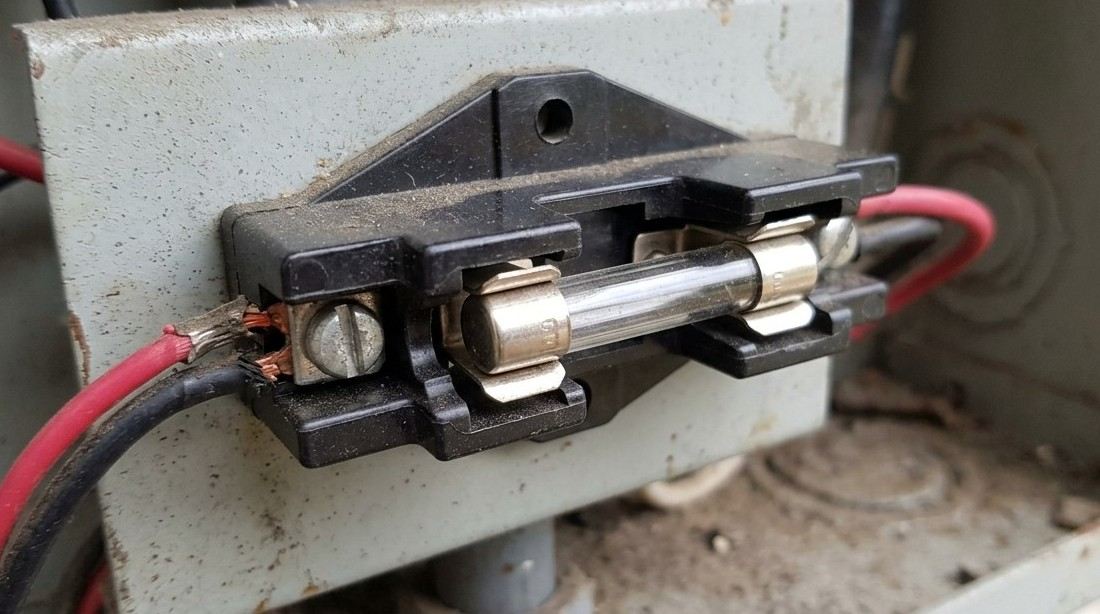
Choosing the right fuse holder protects your circuits and prevents costly downtime. It matters just as much as picking the right fuse itself. The wrong holder can overheat, loosen, or fail under vibration.
This guide breaks down the main fuse holder types. You’ll also learn which features matter most and where each style performs best.
What Is a Fuse Holder?
A fuse holder is an enclosure or device that securely houses, insulates, and protects an electrical fuse within a circuit. It allows quick fuse replacement without rewiring the entire system. It also protects the fuse from vibration, dust, and moisture.
Fuse holders are electromechanical components, meaning they combine a physical housing with an electrical connection point. Fuse holders protect overcurrent protection devices by keeping them securely seated and shielded from outside damage. Without a properly rated holder, even a high-quality fuse can fail early.
Poor contact points create heat, and heat leads to electrical faults. The holder is just as important as the fuse it carries.
Common Types of Fuse Holders
1- Inline Fuse Holders
An inline fuse holder sits directly within a wire run. It’s usually enclosed in a compact plastic sleeve. These holders are popular in automotive and marine wiring because they’re affordable and easy to install.
Many DIYers search for an inline fuse holder when adding aftermarket accessories. Common uses include winches, stereos, and auxiliary lighting kits.
2- Panel Mount Fuse Holders
A panel mount fuse holder attaches directly to an enclosure. This lets technicians replace fuses without opening the entire unit. It’s common in industrial equipment, HVAC systems, and power supplies.
Many panel mount holders include a rotating or pull-out cap. This allows tool-free fuse access during routine maintenance.
3- Blade Fuse Holders
Blade fuse holders are built for flat-pin blade fuses. These are found in nearly every modern vehicle. They’re widely used in automotive fuse blocks and custom wiring kits.
If you’re repairing a car’s fuse box, a blade fuse holder is usually the right choice. It’s also common in DIY power distribution builds.
4- DIN Rail Fuse Holders
A DIN rail fuse holder snaps directly onto standard DIN rail. This makes it ideal for control cabinets and automation panels. Multiple units can be mounted side by side for clean, organized wiring.
This style is a favorite in large industrial installations. It simplifies labeling and troubleshooting across multi-circuit systems.
5- Waterproof Fuse Holders
A waterproof fuse holder is essential for outdoor or marine use. These holders use rubber gaskets or heat-shrink seals to block moisture. This reduces corrosion and prevents intermittent electrical faults.
They’re especially useful in boats, off-road vehicles, and outdoor lighting systems. Exposure to rain or humidity makes sealing a top priority.
6- PCB and Wire-In Fuse Holders
For electronic circuits, there are two installation types – printed circuit board applications and wire-in, wire-out applications. PCB fuse holders solder directly onto a circuit board for compact, permanent installations. Wire-in, wire-out holders connect via leads, making them better suited for repairs or replacements.
Each type serves a different design need. PCB holders save space, while wire-in models offer easier field servicing.
Key Features to Look For
Not all fuse holders are built the same way. Before buying, check these features carefully:
- Voltage and amperage rating — match it exactly to your circuit’s needs
- Fuse type compatibility — confirm it fits blade, glass, or cartridge fuses
- Material quality — flame-retardant plastic or heat-resistant ceramic lasts longer
- Sealing and IP rating — IP65 or higher works best outdoors
- Mounting style — inline, panel mount, or DIN rail depends on your space
- Waterproof, vibration resistant, and blow fuse indicator features — these add durability and make blown fuses easy to spot at a glance
Skipping any of these checks can lead to premature failure. A mismatched holder is one of the most common wiring mistakes.
Applications by Industry
1- Automotive and Marine
Blade and waterproof inline fuse holders dominate this space. Vibration resistance and moisture protection are critical here. Many vehicle owners look for a low-profile fuse holder that fits tight engine bay spaces.
2- Industrial Automation
DIN rail and panel mount fuse holders are the standard choice. They offer organized, scalable protection across large control panels. Facilities often rely on these for easy maintenance access.
3- Renewable Energy
Solar and battery storage systems need holders rated for higher DC voltages. These are often paired with fuse blocks for multi-circuit arrays. Reliability matters more here due to constant load cycling.
4- Consumer Electronics
Small panel mount or PCB-mount fuse holders protect internal components. They’re common in power supplies, chargers, and small appliances. Compact size is usually the top priority in this category.
How to Choose the Right Fuse Holder
Start by identifying your circuit’s voltage, current, and environment. A dry indoor panel has very different needs than a marine application. Environmental exposure should always guide your first decision.
Next, match the mounting style to your available space. Consider how easily you’ll need to access the fuse later. Finally, choose a holder rated slightly above your expected maximum load for added safety.
- Check voltage and amperage before buying
- Confirm the fuse type matches exactly
- Prioritize sealing for outdoor or marine use
- Choose mounting style based on installation space
- Always leave a small safety margin on ratings
Final Thoughts
Selecting the right fuse holder is about more than fitting a fuse into a socket. It’s about matching ratings, materials, and mounting style to your exact application. A mismatched holder creates risk, while the right one adds years of reliable service.
Whether you need a rugged waterproof fuse holder for a boat or a simple blade fuse holder for a car repair, the right choice starts with understanding your circuit. Take the time to match features to your environment. It’s a small decision that prevents big problems down the road.
If you’re sourcing electrical components for a construction or industrial project, Aswan Electric, an established electrical supplier in Dubai UAE, can help you find the right fuse holders and related products. Feel free to reach out to us if you’d like guidance on a specific installation.
Related Electrical Guides
- The Ultimate Introductory Guide to Electrical Wires and Cables: Covers common wire and cable types and their applications.
- Cable Glands: Types, Sizes and Installation Guide: Explains cable gland types, sizing, and installation methods.
- Metal Enclosures: Materials, Properties and Selection Guide: Explores enclosure materials, properties, and selection factors.
- What Is a Limit Switch? Its Types, Functions and Applications: Explains limit switch types, functions, and industrial uses.
- Schneider MCB Selection Guide for UAE Projects: Covers key factors for selecting Schneider MCBs for projects.