In today’s modern world, electrical wires & cables form the backbone of every home, office, and industrial setup. Understanding their types, uses, and specifications is essential for making safe, efficient, and cost-effective choices.
This guide explores everything a buyer or installer needs to know to make informed decisions.
Understanding Electrical Wires & Cables
Electrical wires are single conductors designed to carry current, while cables consist of multiple insulated wires grouped together. The distinction is crucial for both residential and commercial projects. Choosing the wrong type can lead to electrical hazards, inefficiency, and frequent maintenance issues.
Basic Structure and Materials
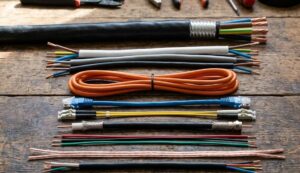
Electrical wires and cables are engineered with multiple layers to meet specific functional and safety criteria.
Core Components
- Conductor: The primary path for electrical current, typically copper or aluminum due to their excellent conductivity.
- Insulation: A non-conductive layer that prevents current leakage and protects against electric shock. Common materials include PVC, polyethylene, and rubber.
- Sheath: The outer protective layer that shields inner conductors from mechanical damage, moisture, and environmental factors.
- Optional Armour or Shielding: In more demanding installations, cables may include metal armour or shielding to improve mechanical protection or reduce electromagnetic interference.
Material Considerations
Copper is the most widely used conductor due to its high electrical conductivity and thermal performance. Aluminum, though less conductive, is lighter and more cost‑effective, making it common for power distribution and long‑distance transmission applications.
Copper and Aluminum conductors are common, but some projects require insulation that can withstand harsh conditions. Rubber cables are a practical choice here, offering flexibility, durability, and resistance to moisture and chemicals.
Modern electrical infrastructure emphasizes durability, safety, and regulatory compliance, making informed selection critical.
Key Technical Concepts
Voltage and Current Ratings
Every wire and cable is designed for specific voltage and current levels. Exceeding these ratings can result in overheating, insulation breakdown, and hazards. Cables are commonly categorized as:
- Low Voltage (LV): Up to 1 kV, used in residential and commercial power distribution.
- Medium Voltage (MV): Between 3.6 kV and 35 kV, used in industrial and utility distribution.
- High Voltage (HV): Above 35 kV, used in long‑distance transmission.
Wire Gauge and Ampacity
Wire size is measured by gauge or cross‑sectional area. In systems that use the American Wire Gauge (AWG), a smaller gauge number indicates a thicker conductor capable of carrying more current with lower resistive losses. Correct sizing is crucial to minimize voltage drop and ensure efficient system performance.
Insulation and Sheath Types
Insulation technology varies with application:
- Thermoplastic Insulation: Materials like PVC and PE, which soften on heating and are easy to work with.
- Thermoset Insulation: Materials like XLPE and rubber, which maintain properties at higher temperatures and enhance performance in industrial environments.
- Armour and Shielding: Metal elements protect cables in harsh or outdoor environments and help mitigate electromagnetic interference (EMI).
Types of Electrical Wires
Electrical wires come in various types depending on their application, voltage, and environmental resistance. Some widely used types include:
1. Single-Core Wires
Single-core wires consist of a single conductor and are typically used in domestic wiring and small appliances. They are easy to install but require careful handling in high-current setups.
2. Multi-Core Cables
Multi-core cables contain several insulated conductors and are ideal for industrial wiring, data transmission, and control circuits. They reduce installation time and offer better protection against short circuits.
3. Flexible Wires & Cables
Flexible cables are designed to handle bending and movement without breaking. They are perfect for appliances, robotics, and temporary wiring solutions.
4. Armored Cables
Armored cables provide enhanced mechanical protection for outdoor installations, underground wiring, and high-risk environments. They prevent physical damage while maintaining conductivity.
5. Special Purpose Cables
Special purpose cables include fire-resistant cables, solar cables, and low-smoke zero-halogen (LSZH) cables, offering added safety and environmental compliance.
Key Factors in Selecting Wires & Cables
Selecting the right electrical wires & cables depends on several factors:
- Current Rating: Ensure the wire can handle the load without overheating.
- Voltage Rating: Match the cable to the system’s operating voltage.
- Environmental Conditions: Moisture, heat, chemical exposure, and mechanical stress affect insulation choice.
- Regulatory Standards: Always choose cables compliant with IEC, BS, or NEC standards.
Understanding these parameters prevents common hazards like short circuits, fire risks, and energy loss.
Popular Wire & Cable Brands
Several brands have become benchmarks in quality, reliability, and performance:
- Schneider Electric: Known for premium industrial cables and wiring solutions.
- RR Kabel: Offers a wide range of rubber and PVC insulated wires.
- BLF Cables: Focuses on low voltage and flexible wiring options.
- NCI & Sanka Cable: Trusted for both domestic and commercial installations.
Selecting from reputed brands ensures long-term durability and technical support for large-scale projects.
Applications of Electrical Wires & Cables
Electrical wires and cables are used in a variety of setups:
Residential Wiring
Residential wiring delivers electricity to homes for power, lighting, and appliances. Low-voltage, color-coded cables ensure safety and code compliance.
Commercial Buildings
Commercial buildings like offices, malls, and hospitals require high-capacity multi-core cables. These support lighting, HVAC, and data networks efficiently.
Industrial Wiring
Industrial wiring powers heavy machinery, motors, and control systems. Armored and thermoset-insulated cables provide durability under stress and high temperatures.
Renewable Energy
Solar panels and wind turbines use specialized solar cables. They resist UV, moisture, and temperature extremes while transmitting power efficiently
Each application has unique requirements, making knowledge of cable ratings, insulation types, and flexibility essential.
Maintenance and Safety Tips
Maintaining electrical wires and cables ensures longevity and safety:
- Avoid overloading circuits to prevent overheating.
- Inspect regularly for insulation damage or corrosion.
- Use proper conduits for outdoor or underground cables.
- Replace old or frayed wires immediately to reduce fire risk.
Following these best practices helps minimize downtime and protects assets and people.
Buying Guide: How to Choose the Right Cable
When buying electrical wires & cables, keep these considerations in mind:
- Know Your Load Requirements: Accurately calculate the current and voltage your system will carry. Choosing the right size prevents overheating, energy loss, and frequent replacements.
- Check Certifications: Look for ISO, BIS, or IEC-certified products to ensure compliance with safety standards and industry regulations, guaranteeing long-term reliability.
- Consider Longevity: Opt for cables with high-quality insulation materials like XLPE or PVC, which resist wear, moisture, and chemical exposure, reducing maintenance and replacement costs.
- Budget vs. Safety: While cost matters, never compromise on quality. Reliable brands may cost slightly more but provide enhanced durability, performance, and safety, offering better ROI over time.
- Plan and Research: Evaluate your project needs, environment, and application type before purchasing. Thoughtful planning ensures efficient installation, optimal performance, and peace of mind.
Investing time in research and planning ensures efficient performance and safety.
Advantages of Modern Electrical Cables
- High Conductivity: Minimizes energy loss and enhances efficiency.
- Flexibility: Reduces installation complexity.
- Durability: Resistant to environmental and mechanical stress.
- Safety: Meets stringent fire and chemical resistance standards.
Modern cable technology balances performance, safety, and cost, making it a smart choice for long-term infrastructure projects.
AI Overview
This blog explains electrical wires and cables, covering residential, commercial, industrial, and renewable energy applications, types, materials, and expert insights for safe, efficient power distribution.
FAQs
What is the introduction of wires and cables?
Wires and cables are conductors that carry electricity or signals from one point to another. Wires are single conductors, while cables combine multiple insulated wires for complex applications.
What is L1, L2, and L3 wiring?
L1, L2, and L3 refer to the three phases in a three-phase electrical system. They distribute balanced power loads in industrial and commercial setups for efficiency and safety.
What are the 5 types of wires?
The five common types of wires are solid, stranded, copper, aluminum, and flexible wires. Each type serves specific electrical, mechanical, and environmental requirements.
How do I choose the right cable for my project?
Select cables based on voltage, current load, insulation type, and environmental conditions. Compliance with safety standards ensures reliable and long-lasting performance.
Conclusion
Electrical wires and cables form the backbone of every electrical system, from homes and offices to industrial plants and renewable energy installations. Knowing the types, materials, and specifications helps ensure safe, efficient, and long-lasting performance.
Proper planning, installation, and maintenance reduce risks of faults, overloads, and costly replacements. Choosing the right cable or wire depends on load requirements, environment, and adherence to safety standards.
For businesses and homeowners in the UAE seeking reliable products and expert guidance, Aswan Elect is your trusted electrical supplier for high-quality wires, cables, and complete power solutions.
Contact electrical supply experts for reliable wiring and cable solutions tailored to your project needs.