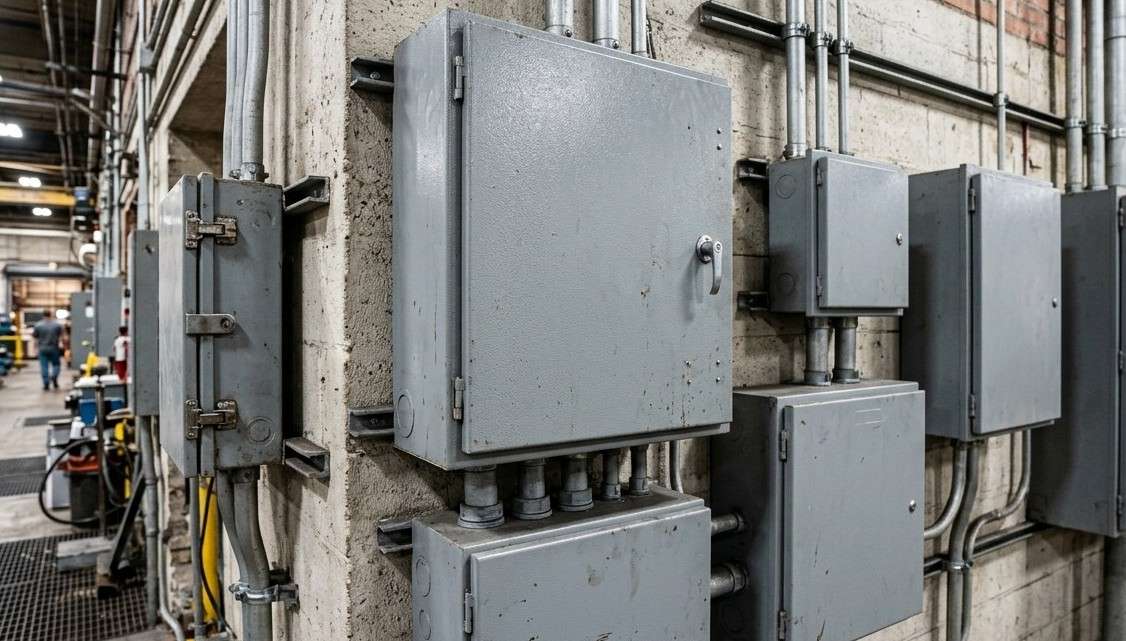
Metal enclosures protect electrical, electronic, automation, and industrial equipment from dust, moisture, impact, chemicals, and other environmental conditions. They provide a strong housing for components while supporting safe and organized installations.
Choosing the right enclosure depends on factors such as material, operating environment, protection rating, size, mounting method, and application. This guide covers common metal enclosure types, their properties, and key selection factors.
What Are Metal Enclosures?
Metal enclosures are protective housings made from materials such as mild steel, stainless steel, aluminum, or galvanized steel. They are used to house electrical components, control equipment, terminal blocks, switches, circuit breakers, and automation systems.
Compared with plastic alternatives, metal electrical enclosures generally provide higher mechanical strength and better impact resistance. They can also provide electromagnetic shielding when properly designed and grounded.
Common Metal Enclosure Materials
The enclosure material affects its strength, corrosion resistance, weight, and suitability for different environments.
Mild Steel Enclosures
Mild steel is commonly used for electrical metal enclosures because it offers good mechanical strength and is suitable for many indoor industrial applications.
Steel enclosures can be powder coated or painted to improve corrosion resistance. They are widely used for control panels, electrical cabinets, machinery controls, and industrial equipment.
Stainless Steel Enclosures
Stainless steel enclosures offer excellent corrosion resistance and are suitable for environments exposed to moisture, chemicals, cleaning agents, and harsh conditions.
They are commonly used in food processing, pharmaceutical, chemical, marine, and outdoor applications where durability and hygiene are important.
Aluminum Enclosures
Aluminum provides a combination of low weight, corrosion resistance, and strength. They are also easier to handle than many steel alternatives.
They are commonly used for electronic equipment, instrumentation, communication systems, and control devices.
Galvanized Steel Enclosures
Galvanized steel is coated with zinc to improve resistance to corrosion. These enclosures are suitable for industrial and outdoor installations where additional protection from moisture is required.
Key Properties of Metal Enclosures
Mechanical Strength
Metal provides strong protection against physical impact, vibration, and mechanical damage. This makes metal enclosures suitable for demanding industrial environments.
Corrosion Resistance
Corrosion resistance depends on the material and surface treatment. Stainless steel generally provides high corrosion resistance, while coated or galvanized steel can offer improved protection compared with untreated steel.
Temperature Management
Electrical components generate heat during operation. An enclosure should provide enough space for heat dissipation and allow ventilation or cooling equipment where required.
Electromagnetic Shielding
Properly designed metal enclosures can help reduce electromagnetic interference around sensitive electrical and electronic components. Grounding and installation practices also affect shielding performance.
Types of Metal Electrical Enclosures
Different enclosure designs are available for specific installation requirements.
Wall-mounted enclosures are used for control equipment, switches, terminals, and electrical components where floor space is limited.
Floor-standing enclosures provide more internal space for larger control panels, distribution equipment, and automation systems.
Junction box enclosures protect cable connections and terminal points from environmental exposure and accidental contact.
Outdoor metal enclosures are designed for installations exposed to rain, dust, sunlight, and temperature changes. Their sealing and protection rating should match the environment.
How to Choose a Metal Enclosure
Choosing the right metal enclosure starts with understanding the equipment, installation environment, and protection requirements. The enclosure should provide enough space and protection for the components it will house.
1. Consider the Environment
Determine whether the enclosure will be installed indoors or outdoors. Consider exposure to water, dust, chemicals, humidity, heat, and corrosive substances.
2. Select the Material
Choose the material based on environmental and mechanical requirements. Mild steel works well for many general applications, while stainless steel is often preferred for corrosive or hygienic environments. Aluminum can be useful when lower weight is important.
3. Check the Protection Rating
Choose an appropriate IP or NEMA protection rating based on the installation conditions. The rating should provide adequate protection against solid particles and moisture.
4. Choose the Correct Size
The enclosure should have enough space for components, wiring, cable entries, and maintenance access. Adequate internal space also makes installation and future modifications easier. You can explore suitable metal enclosures and cabinets based on your equipment and installation requirements.
5. Consider Mounting and Cable Entry
Check whether the enclosure will be wall mounted or floor mounted. Also consider cable glands, conduit entries, gland plates, and other cable management requirements.
Applications of Metal Enclosures
Metal enclosures are used in electrical distribution, industrial automation, machine control, telecommunications, renewable energy, instrumentation, manufacturing, and building services.
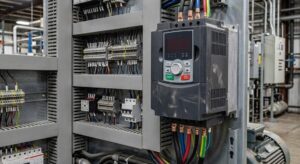
They can house components such as circuit breakers, PLCs, relays, terminal blocks, switches, power supplies, and control systems.
Final Thoughts
Metal enclosures provide durable protection for electrical and electronic equipment. The best option depends on the material, design, protection rating, size, mounting method, and operating environment.
Mild steel, stainless steel, aluminum, and galvanized steel each offer different advantages. Matching these properties to the application helps improve equipment protection and support reliable installations.
If you are looking for an electrical supplier Dubai UAE or a reliable metal enclosure supplier UAE, contact Aswan Electric to discuss your enclosure requirements and find a suitable solution for your application.
Related Electrical Guides
- Looking to understand electrical basics? Explore The Ultimate Introductory Guide to Electrical Wires & Cables: a beginner-friendly overview of wires and cables.
- Curious about supplier benefits? Read Why Smart Businesses Work with Schneider Electric Suppliers for insights on reliability and performance.
- Comparing brands? Check Schneider vs ABB: Best Electrical Brand Comparison for a quick evaluation of both leaders.
- Not sure about protection devices? Learn How to Choose the Right Miniature Circuit Breaker? for safe and correct selection.
- Planning to source Schneider products? Read How to Choose the Right Schneider Electric Supplier in Dubai to understand key factors for selecting a reliable supplier.