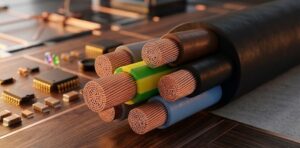
Cable glands may look like small components, but they play a critical role in electrical safety and system reliability. Whether you are working on industrial machinery, control panels, or outdoor installations, choosing the right cable gland can prevent failures, reduce maintenance, and ensure compliance with safety standards.
This guide explains cable glands in a clear and practical way. It covers types, sizes, installation methods, and real-world insights so you can make confident decisions in your projects.
What Is a Cable Gland?
A cable gland, also known as a cable connector, fitting, or strain relief, is a device used to connect and secure the end of an electrical cable to equipment such as a junction box, panel, or machine.
It performs three essential functions:
- Secures the cable firmly in place
- Seals the entry point against dust, water, and contaminants
- Provides strain relief to prevent cable damage
In armored cables, it also ensures proper grounding and electrical continuity, which is critical for safety in industrial environments.
Why Cable Glands Are Important
In real installations, most electrical failures are not caused by cables themselves but by poor terminations. Cable glands help avoid common issues such as:
- Water ingress leading to short circuits
- Loose cables causing vibration damage
- Loss of enclosure protection rating
- Electrical hazards due to improper grounding
For example, in outdoor panel installations, using a non-IP rated gland can lead to moisture entering the enclosure, eventually damaging breakers and control circuits.
Key Components of a Cable Gland
A cable gland is made up of several parts that work together to provide sealing and mechanical strength.
Main Components
- Gland Body
The main structure that holds the cable and fits into the equipment - Sealing Nut or Cap Nut
Tightens around the cable to create a secure seal - Seal or Rubber Ring
Prevents dust and water from entering and helps achieve IP ratings - Locknut and Washer
Secure the gland to the enclosure - Armour Cone or Clamping Ring
Used in armored cables for gripping and grounding the metal armor
Each component must be properly installed to ensure long-term performance.
Types of Cable Glands
Choosing the right type of cable gland depends on cable construction, environment, and application.
By Cable Type
Armoured Cable Glands (SWA/AWA)
Armoured cable glands are designed for cables with metal armoring. They are widely used in industrial and outdoor applications where mechanical protection is required.
- Provides strong grip on cable armor
- Ensures proper grounding and bonding
- Suitable for heavy-duty and hazardous environments
- Common types include BW, CW, and E1W
Top Products – Armoured Cable Glands
- Brass CW Armoured Cable Gland
- BW Industrial Armoured Cable Gland
Unarmoured Cable Glands (A1/A2)
These glands are used for standard cables without metallic protection. They are common in indoor and light-duty applications.
- Focus on sealing and strain relief
- Easy to install and cost-effective
- Suitable for control panels and residential wiring
- Ideal for PVC or rubber cables
By Function and Environment
Waterproof and IP68 Glands
These glands are designed for environments exposed to water, dust, or harsh weather conditions.
- Provides high-level sealing protection
- Suitable for outdoor and marine use
- Maintains enclosure safety in wet conditions
- Prevents corrosion and internal damage
EMC or Shielded Glands
Used in applications where electromagnetic interference can affect performance, such as data systems or automation setups.
- Maintains cable shielding continuity
- Reduces signal interference
- Improves system reliability
- Used in sensitive electronic equipment
Explosion-Proof or Hazardous Area Glands
These are essential in industries where explosive gases or dust may be present.
- Prevents ignition risks
- Certified for hazardous zones
- Used in oil, gas, and chemical plants
- Ensures compliance with safety standards
90-Degree or Right-Angle Glands
These glands are useful where space is limited or cable direction needs adjustment.
- Allows flexible cable routing
- Prevents sharp bends
- Ideal for compact enclosures
- Improves cable management
By Material
Plastic (Nylon) Cable Glands
Best suited for general-purpose and indoor applications.
- Lightweight and economical
- Corrosion-resistant
- Easy to install
- Suitable for low-stress environments
Brass Cable Glands
The most commonly used type in industrial setups.
- Strong and durable
- Good resistance to wear
- Suitable for power applications
- Long service life
Stainless Steel Cable Glands
Designed for extreme environments where corrosion resistance is critical.
- High resistance to chemicals and moisture
- Ideal for marine and food industries
- Performs well in harsh conditions
- Long-lasting and reliable
Cable Gland Sizes Explained
Selecting the correct size is essential for proper sealing and performance.
Metric and PG Thread Sizes
Cable glands are classified based on thread size, not conductor size.
| Metric Sizes | PG Sizes |
|---|---|
| M12 | PG7 |
| M16 | PG9 |
| M20 | PG11 |
| M25 | PG13.5 |
| M32 | PG16 |
| M40 | — |
| M50 | — |
| M63 | — |
| M75 | — |
Typical Cable Diameter Ranges
- M16 fits cables from 4 to 8 mm
- M20 fits cables from 6 to 12 mm or up to 14 mm
- M25 fits cables from 11 to 17 mm or up to 18 mm
Always measure the outer diameter of the cable before selecting a gland.
Real Insight
A common mistake in projects is selecting a gland based only on cable size label rather than actual measured diameter. This often leads to loose sealing and reduced IP protection.
How to Choose the Right Cable Gland
Selecting the right gland involves more than just size.
Key Factors to Consider
- Cable type, armored or unarmored
Determine whether the cable has metal armoring such as SWA or AWA, as armored cables require glands that can clamp the armor and provide proper grounding, while unarmored cables only need sealing and strain relief. - Outer diameter of the cable
Always measure the actual outer diameter of the cable using a caliper, as selecting the wrong size can lead to poor sealing, reduced grip, and failure to maintain the required IP rating. - Indoor or outdoor installation
Identify where the gland will be used, since outdoor installations require higher protection against weather conditions, UV exposure, and temperature variations compared to indoor environments. - Exposure to moisture, dust, or chemicals
Consider environmental factors such as water, dirt, oil, or corrosive chemicals, as these conditions require glands with higher sealing performance and corrosion-resistant materials. - Required IP rating
Choose a gland with an appropriate ingress protection rating such as IP66 or IP68 to ensure protection against dust and water based on the application requirements. - Thread compatibility
Ensure the gland thread type and size, such as metric, PG, or NPT, matches the equipment entry hole to guarantee proper fitting, sealing, and mechanical stability.
Practical Tip
For outdoor or industrial use, always choose glands with at least IP68 rating and corrosion-resistant material to ensure durability.
Cable Gland Installation Guide
Correct installation is essential to maintain safety and performance.
Step-by-Step Installation
Step 1: Select the Correct Gland
Measure the cable diameter using a caliper and choose the appropriate gland size.
Step 2: Prepare the Cable
Carefully strip the outer sheath. For armored cables, expose the armor according to manufacturer guidelines.
Step 3: Assemble the Gland
Install gland components onto the enclosure if required.
Step 4: Insert the Cable
Pass the cable through the gland and ensure proper alignment.
Step 5: Tighten the Gland
Use a spanner to tighten the nut. Follow the hand-tight plus one to two turns rule.
Step 6: Verify Installation
Check sealing, ensure the cable is secure, and confirm that it cannot be pulled out.
Safety Tip
Always use an earth tag with armored cable glands to ensure proper grounding of the cable armor.
Common Applications of Cable Glands
Cable glands are used across many industries:
- Power distribution systems
- Industrial machinery
- Oil and gas installations
- Marine and offshore systems
- Telecommunications networks
Their reliability makes them essential in both small and large-scale electrical systems.
AI Overview
Learn everything about cable glands including their types, sizes, materials, and installation process. This complete guide helps you choose the right cable gland for safety, durability, and long-term electrical performance in any environment.
FAQs
What size cable gland should I use?
Always select a gland based on the cable’s outer diameter, not the conductor size. Check the manufacturer’s sizing chart for accuracy.
What is the difference between single and double compression glands?
Single compression glands seal only the outer sheath, while double compression glands seal both inner and outer layers, offering better protection in harsh environments.
Are cable glands waterproof?
Not all cable glands are waterproof. Only glands with IP ratings such as IP68 provide full protection against water and dust.
Can I reuse a cable gland?
It is not recommended, especially in critical applications, as seals may lose effectiveness after removal.
Do cable glands need grounding?
Yes, armored cable glands must be properly grounded using an earth tag to ensure electrical safety.
Conclusion
Cable glands are a small but critical component in any electrical system. From securing cables to protecting against dust, moisture, and mechanical stress, the right cable gland ensures long-term safety and performance. Understanding the different types, correct sizing methods, and proper installation techniques helps prevent common failures such as water ingress, loose connections, and equipment damage.
For high-quality cable glands, Aswan Electric is a reliable supplier offering durable and performance-driven solutions designed to meet industrial and commercial electrical requirements. Choosing trusted products ensures better safety, longer service life, and improved system reliability in demanding environments.
Ready to Improve Your Cable Management and Safety?
Explore Aswan Electric’s range of high-quality cable glands designed for reliable sealing, secure connections, and long-lasting performance. Get in touch with our team today for expert guidance and the right solution for your project needs.
Related Articles
- What Are Rubber Cables? Types, Benefits & Applications: Explore the different types of rubber cables, their benefits, and applications.
- The Ultimate Introductory Guide to Electrical Wires & Cables: A complete beginner’s guide to electrical wires and cables.
- Why Smart Businesses Work with Schneider Electric Suppliers: Powering efficiency and innovation through trusted Schneider Electric supply partnerships.