Industrial automation and electrical infrastructure rely heavily on trusted manufacturers that deliver reliability, performance, and advanced technology solutions. Among the leading global brands in this industry, ABB and Siemens are considered two of the strongest competitors in the market.
Both companies provide a wide range of industrial products including circuit breakers, PLC systems, drives, motors, switchgear, and automation solutions. However, choosing between ABB and Siemens depends on several factors such as automation capabilities, reliability, pricing, energy efficiency, and industrial application requirements.
This complete guide compares ABB vs Siemens in detail to help contractors, engineers, procurement teams, and industrial buyers make the right decision for their projects.
Overview of ABB and Siemens
ABB
ABB is globally recognized for its expertise in electrification, robotics, industrial automation, and motion technologies. The company is highly respected for manufacturing durable industrial equipment designed for demanding environments such as oil and gas facilities, manufacturing plants, and power generation industries.
ABB products are widely known for their strong industrial reliability, high-performance drives, advanced robotics, and energy-efficient technologies. Many businesses searching for a reliable ABB supplier in Dubai, UAE prefer ABB because of its long-lasting equipment and strong performance in heavy industrial applications.
Siemens
Siemens is one of the world’s largest industrial technology companies. Siemens specializes in automation, smart manufacturing, and digitalization technologies, making it a preferred choice for advanced industrial operations.
The company is especially popular for its PLC systems, industrial software, and digital factory technologies. Siemens products are widely used in manufacturing plants, infrastructure projects, and smart industrial facilities worldwide.
ABB vs Siemens: Product Comparison
Circuit Breakers and Protection Systems
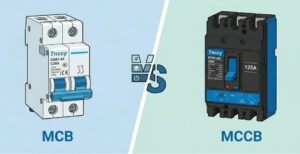
Both ABB and Siemens manufacture highly reliable circuit protection systems used in industrial and commercial applications.
| Feature | ABB | Siemens |
| Industrial Reliability | Excellent | Excellent |
| Smart Monitoring | Advanced | Highly Advanced |
| Heavy Industrial Applications | Excellent | Very Good |
| Automation Integration | Strong | Excellent |
| Product Durability | Excellent | Excellent |
ABB circuit breakers are widely trusted in harsh industrial environments because of their durability and strong fault protection capabilities. Industries such as oil and gas, mining, and manufacturing often rely on ABB equipment for long-term operational reliability.
Siemens circuit breakers are known for intelligent monitoring systems and excellent integration with automated industrial networks. Their protection systems are highly suitable for facilities that require advanced digital monitoring and automation compatibility.
PLC and Industrial Automation Comparison
Automation is one of the biggest areas where ABB and Siemens compete directly.
| Automation Feature | ABB | Siemens |
| PLC Performance | Very Good | Excellent |
| Smart Factory Integration | Strong | Excellent |
| Software Ecosystem | Strong | Industry Leading |
| Industry 4.0 Support | Strong | Excellent |
| Ease of Programming | Moderate | Advanced |
Siemens is widely considered the leader in industrial automation because of its advanced PLC systems, smart factory integration, and digital manufacturing technologies. Its TIA Portal software allows centralized control and programming for complex industrial operations.
ABB also offers highly efficient automation systems, especially in robotics, motion control, and process automation industries. ABB solutions are widely used in manufacturing plants and industrial facilities that require operational precision and reliability.
Variable Frequency Drives (VFDs)
Variable Frequency Drives are essential for improving motor efficiency and reducing operational energy costs.
| VFD Feature | ABB | Siemens |
| Energy Efficiency | Excellent | Excellent |
| Heavy-Duty Performance | Excellent | Very Good |
| Smart Integration | Strong | Excellent |
| Industrial Applications | Extensive | Extensive |
| Operational Reliability | Excellent | Very Good |
ABB drives are considered among the best in the market for heavy industrial operations because they provide excellent motor control, energy savings, and long operational life.
Siemens SINAMICS drives are highly preferred for automated production lines and smart factories because of their advanced digital integration capabilities.
Both brands offer highly efficient drive systems, but ABB is often favored in heavy-duty industrial environments, while Siemens is preferred for automation-focused facilities.
Energy Efficiency and Sustainability
Energy efficiency has become one of the most important considerations in industrial operations worldwide.
ABB focuses heavily on energy-efficient motors, drives, and electrification systems that help industries reduce energy consumption and improve operational performance. Its technologies are widely used in manufacturing facilities, industrial plants, and infrastructure projects.
Siemens combines digitalization and automation technologies to optimize industrial efficiency and improve energy management across factories and infrastructure systems. The company’s smart technologies help industries monitor and control energy usage more effectively.
Both ABB and Siemens continue investing in sustainable technologies that support environmentally responsible industrial operations.
Reliability and Product Quality
Reliability is critical in industries where equipment failure and downtime can result in major operational losses.
| Reliability Factor | ABB | Siemens |
| Heavy Industrial Reliability | Excellent | Very Good |
| Automation Stability | Very Good | Excellent |
| Product Lifespan | Excellent | Excellent |
| Maintenance Requirements | Low | Moderate |
| Engineering Precision | Very Good | Excellent |
ABB products are specifically designed for harsh industrial conditions where continuous operation is essential. Their equipment is widely trusted in industries such as power generation, mining, and oil and gas.
Siemens products are recognized for engineering precision, automation stability, and advanced diagnostics systems. Industries focused on smart manufacturing and automated operations often prefer Siemens because of its strong digital infrastructure capabilities.
Pricing Comparison
Pricing depends on the product category, level of automation, and technical requirements.
| Brand | Pricing Level | Best For |
| ABB | Premium | Heavy industries |
| Siemens | Premium | Advanced automation |
ABB products are generally positioned in the premium segment because of their industrial-grade durability and strong engineering quality.
Siemens products are also premium-priced, especially in automation and digitalization systems. However, many industries consider Siemens a valuable long-term investment because of its advanced automation capabilities and smart factory integration.
ABB vs Siemens: Which Brand Is Better?
Choosing between ABB and Siemens depends entirely on your industrial requirements and operational priorities.
ABB is often the better choice for industries requiring heavy-duty equipment, advanced motor control, and reliable performance in harsh operating environments.
Siemens is typically preferred for advanced automation, smart manufacturing systems, and facilities that require digital integration and Industry 4.0 technologies.
Both companies provide exceptional product quality, global technical support, and highly reliable industrial solutions.
Conclusion
ABB and Siemens are among the world’s leading industrial automation and electrical equipment manufacturers. Both companies offer highly reliable products for industries ranging from manufacturing and infrastructure to energy and process automation.
ABB stands out for heavy industrial reliability, durable drives, and strong electrification technologies. Siemens leads in industrial automation, digitalization, and smart manufacturing systems.
The right choice depends on your project requirements, operational environment, automation goals, and long-term investment strategy.
For genuine industrial electrical products and automation solutions, visit Aswan Electric to explore a wide range of trusted industrial brands and equipment.
For product inquiries, technical assistance, and customized industrial solutions, Contact Us for professional support with your next industrial project.
Related Articles
- Power Cable vs Control Cable: Which Is Better? – Understand the key differences between power and control cables and their specific applications in electrical systems.
- Cable Glands Explained: Types, Sizes and Installation Guide – Learn about different cable gland types, sizing standards, and proper installation methods for safe cable management.
- Why Smart Businesses Work with Schneider Electric Suppliers – Discover the benefits of partnering with authorized Schneider Electric suppliers for reliable and efficient electrical solutions.
- What Are Rubber Cables? Types, Benefits & Applications – Explore rubber cable types, their durability, and where they are commonly used in industrial and heavy-duty environments.
- The Ultimate Introductory Guide to Electrical Wires & Cables – Get a complete overview of electrical wires and cables, their classifications, and fundamental usage in modern electrical systems.