Picking the right cable is not something you want to rush. It sits behind every wall, runs through every panel and carries the load your whole system depends on. Get it wrong and you may not notice right away. The signs usually show up later through overheating, flickering power or a cable that wears out far sooner than it should.
If you are planning a wiring job, whether it is a home, an office or a full industrial setup, a bit of upfront knowledge saves you money and keeps everyone safer down the line.
Start With the Load
Before anything else, work out how much current the cable actually needs to carry. This is what people mean by wire gauge or ampacity. A cable that is too thin for the job will heat up under load, and that heat breaks down insulation over time.
Going bigger than needed is not the end of the world, it just adds cost without much extra benefit. The goal is matching the cable to the real demand of the circuit, not guessing.
A few things affect this number
- How much current the circuit will actually draw
- How long the cable run is
- Whether it is bundled tightly with other cables
- The temperature of the space it runs through
Copper or Aluminum
This is one of the first real decisions in any cable purchase. Both materials work well, they just suit different situations.
Copper carries more current for its size, resists corrosion and is easier to terminate cleanly. It costs more and weighs more, which matters on very long runs.
Aluminum is lighter and easier on the budget, especially for large feeders that run a long distance. It needs a bigger cross section to match copper performance and calls for proper connectors to avoid loosening or overheating at joints over time.
| Point | Copper | Aluminum |
| Conductivity | Higher for the same size | Lower, needs a larger size |
| Weight | Heavier | Lighter |
| Cost | Higher | More budget friendly |
| Termination | Simple, standard fittings | Needs compatible connectors |
| Works well for | Tight spaces and critical circuits | Long feeders and larger runs |
Insulation Matters More Than People Think
The insulation is what keeps the current where it belongs and protects the cable from the outside world. Different jobs call for different materials.
- PVC works fine for everyday indoor wiring and keeps costs down
- XLPE handles higher heat and holds up better under electrical stress
- LSZH gives off low smoke and no halogen gas, a smart pick for enclosed or crowded buildings
- Rubber flexes well for cables that get moved or bent often
In places with real fire risk, flame retardant cables slow the spread of flame and cut down on smoke, which buys people more time in an emergency.
Voltage Rating Has To Match The System
Every cable carries a voltage rating and it needs to sit at or above what your system runs. Undersizing here is not a small mistake, it puts real strain on the insulation.
Cables generally fall into three groups
- Low voltage for homes and commercial buildings
- Medium voltage for plants and larger distribution setups
- High voltage for utility level transmission
Think About Where the Cable Will Actually Live
The environment a cable sits in changes how long it lasts and how well it performs. This part gets skipped more than it should.
| Condition | What It Does To The Cable | What Helps |
| Heat | Cuts safe current capacity and ages insulation faster | Insulation rated for the space |
| Moisture | Raises the risk of corrosion | Wet rated cable |
| Sunlight | Breaks down outdoor jackets over time | UV resistant sheathing |
| Chemicals or oil | Softens and weakens the jacket | Chemical resistant material |
| Physical stress | Bending and pulling cause wear | Armoured cable or a tougher jacket |
Matching Cable Type To The Job
Not every cable is built the same way, and the application decides which type fits.
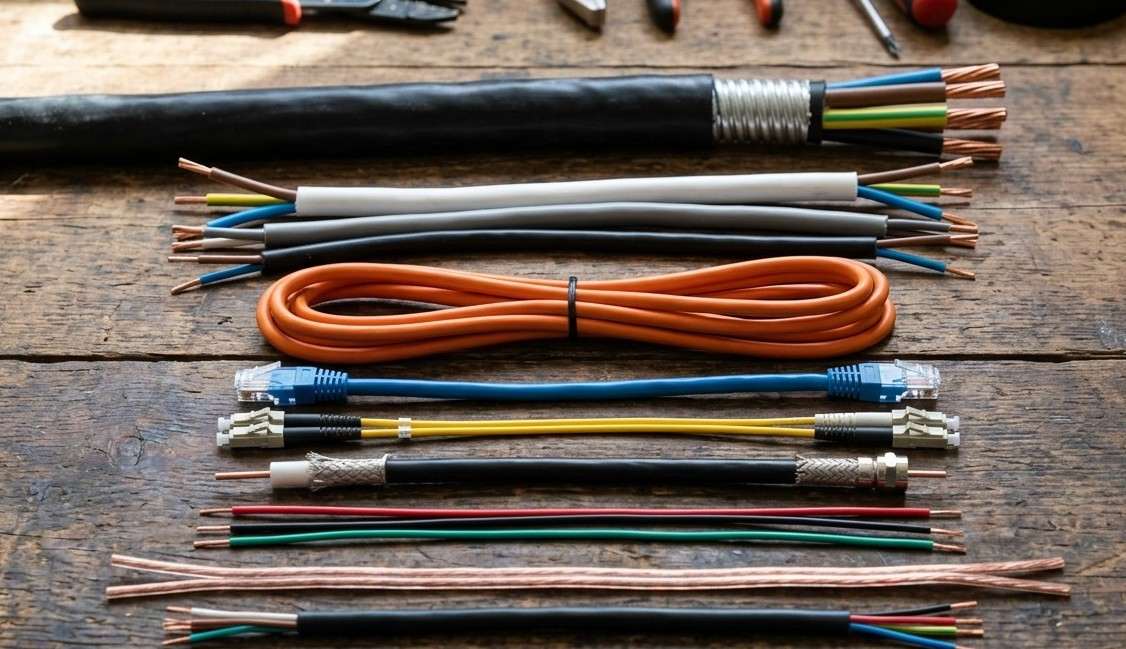
- Single core cables suit fixed indoor wiring
- Multicore and flexible cables suit machines and appliances that move
- Armoured cables handle outdoor, underground or industrial conditions
- Control cables carry signals for automation systems
- Flat cables fit into tight or hidden spaces
Standards Are Not Optional
A cable should always meet recognized standards such as IEC or BS. This is not just paperwork, it means the cable has actually been tested for safety and durability, and it protects you if anything is ever questioned during an inspection.
Mistakes Worth Avoiding
Most cable problems trace back to a small set of avoidable choices.
- Buying the cheapest option without checking its rating
- Ignoring the environment the cable will sit in
- Undersizing the cable for its real load
- Rushing termination, especially with aluminum
- Forgetting voltage drop on longer runs
A Quick Checklist Before You Buy
- Know your load current and system voltage
- Understand the environment, indoor, outdoor, wet or dry
- Pick the right insulation and conductor for that environment
- Confirm the cable meets the right standard
- Ask a supplier if you are unsure about sizing
Conclusion
Choosing the right cable comes down to a few honest questions. What load will it carry, where will it sit and what standard does it need to meet. Answer those clearly and the rest of the decision gets much easier.
For genuine cables and guidance on the right product for your project, Aswan Electric supplies a wide range of trusted cable brands across the UAE. For specifications, availability or product recommendations, contact our team to discuss your electrical cable needs.
Best Selling Cables of Aswan Electric
Browse our most popular cable categories to find the right match for your project.
- Flat Cables for tight and concealed spaces
- Flexible Cables for machines and equipment that move
- Wiring Cables for everyday indoor wiring
- Low Voltage LV Power Cables for residential and commercial buildings
- Power and Control Cables for larger power distribution needs
- Industrial Control Cables for automation and process systems
- Fire Resistant and Safety Cables for high risk and enclosed environments
- Rubber Cables for tough and flexible applications
- Data and Communication Cables for networking and signal transmission