Limit switches are one of the most important electromechanical devices used in industrial automation and machine control. They help detect the position or movement of an object and trigger a specific electrical action when physical contact occurs. From conveyor systems and elevators to packaging machines and CNC equipment, limit switches play a vital role in ensuring safe and reliable operations.
If you’re wondering what a limit switch is, how it works, its different types, and where it’s used, this guide covers everything you need to know.
What Is a Limit Switch?
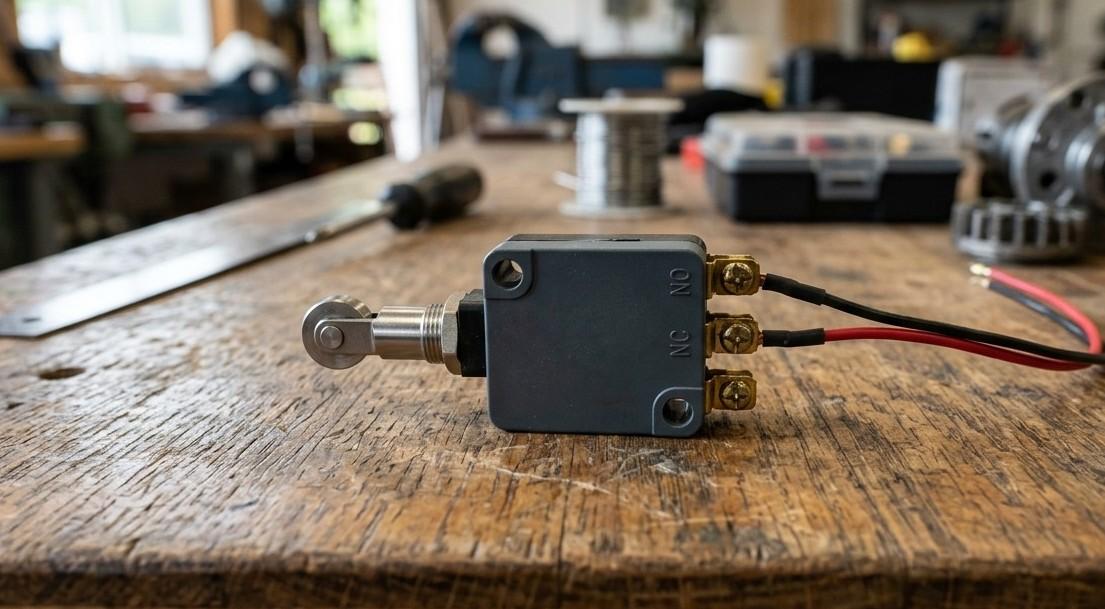
A limit switch is an electromechanical sensor that operates when a moving object makes physical contact with its actuator. Once activated, it opens or closes an electrical circuit, allowing the machine to start, stop, or change its operation.
Key Components of a Limit Switch
A standard limit switch consists of:
- Actuator: Lever, plunger, roller, or whisker that comes into contact with the object.
- Switch Body: Houses the internal electrical contacts.
- Contacts: Normally Open (NO) and Normally Closed (NC) contacts that control the circuit.
- Housing: Protects internal components from dust, moisture, oil, and mechanical damage.
These components work together to provide accurate switching even in harsh industrial conditions.
How Does a Limit Switch Work?
A limit switch operates through direct mechanical contact. The process typically follows these steps:
- A moving machine part reaches the switch.
- It presses the actuator.
- The actuator changes the position of the internal contacts.
- The electrical circuit either opens or closes.
- The control system receives the signal and performs the programmed action.
For example, in a conveyor system, a limit switch can stop the belt when a package reaches the end of the line, preventing collisions and ensuring smooth material handling.
Types of Limit Switches
Different applications require different actuator designs. Below are the most common types.
1. Roller Lever Limit Switch
A roller lever switch uses a rotating roller mounted on a lever arm.
Best for:
- Conveyor systems
- Packaging machines
- Material handling equipment
Advantages:
- Smooth operation
- Reduced wear
- Longer service life
2. Plunger Limit Switch
This type is activated when an object directly presses the plunger.
Common applications:
- Machine tools
- Press machines
- Industrial automation
Benefits:
- High accuracy
- Compact design
- Reliable switching
3. Rotary Lever Limit Switch
A rotary lever moves through an angle when contacted by a moving object.
It is ideal for applications requiring adjustable operating positions.
4. Adjustable Rod Limit Switch
This switch features a flexible rod that can be bent or adjusted according to machine requirements.
It is commonly used for:
- Automated production lines
- Material transfer systems
- Packaging equipment
5. Whisker Limit Switch
Whisker actuators are flexible wire-like sensors that detect lightweight or delicate objects.
They are suitable for:
- Light-duty automation
- Electronics manufacturing
- Small assembly systems
Types Based on Housing
Limit switches are also categorized by their construction.
Metal Body Limit Switch
Metal body switches provide superior durability and are designed for demanding industrial environments. The Esbee metal body limit switch UAE is a popular choice for industries that require dependable performance under harsh operating conditions.
Advantages include:
- High mechanical strength
- Better impact resistance
- Long operating life
- Suitable for heavy-duty machinery
Plastic Body Limit Switch
Plastic body switches are lightweight and cost-effective.
They are commonly used in:
- Light industrial equipment
- Commercial machinery
- Indoor automation systems
Functions of a Limit Switch
Limit switches perform several critical functions in industrial control systems.
Position Detection
They identify the exact position of moving machine parts.
End-of-Travel Detection
The switch stops movement when equipment reaches its predefined limit, preventing mechanical damage.
Machine Safety
Limit switches disconnect power or trigger alarms when unsafe conditions occur.
Process Automation
They provide feedback signals to PLCs and control systems for automated operations.
Equipment Protection
They help prevent over-travel, collisions, and unnecessary wear on expensive machinery.
Applications of Limit Switches
Limit switches are used across numerous industries due to their reliability and versatility.
Manufacturing Industry
They control machine movements in:
- CNC machines
- Press machines
- Assembly lines
- Robotic systems
Conveyor Systems
Limit switches monitor package positions and control conveyor movement automatically.
Elevators and Lifts
They ensure elevators stop accurately at each floor while providing additional safety functions.
Packaging Industry
Packaging machines use limit switches to detect product positions during filling, sealing, and labeling operations.
Automotive Industry
Applications include:
- Welding robots
- Assembly lines
- Car manufacturing equipment
Food and Beverage Plants
Industrial limit switches help automate packaging, bottling, and processing systems while maintaining operational reliability.
Material Handling Equipment
They are widely installed on:
- Cranes
- Hoists
- Forklifts
- Automated storage systems
Advantages of Using Limit Switches
Limit switches remain popular because they offer several practical benefits.
- High reliability
- Simple installation
- Long service life
- Excellent mechanical durability
- Accurate position detection
- Cost-effective solution
- Suitable for harsh industrial environments
- Low maintenance requirements
- Compatible with PLC and automation systems.
How to Choose the Right Limit Switch
When selecting a limit switch, it’s also important to source products from a trusted limit switch supplier UAE that can provide genuine products, technical support, and reliable after-sales service.
Consider the following factors:
- Operating environment
- Mechanical load
- Required actuator type
- Electrical rating
- IP protection level
- Mounting method
- Operating speed
- Expected switching frequency
Once you’ve determined the right specifications for your application, understanding the available limit switch designs and configurations can make the selection process much easier. Our Limit Switch category provides a detailed overview of the options commonly used across different industrial environments.
Maintenance Tips
Proper maintenance helps maximize the lifespan of industrial limit switches.
- Inspect actuators regularly for wear.
- Tighten mounting hardware.
- Check wiring connections.
- Clean dust and debris from the switch body.
- Replace damaged actuators immediately.
- Test switching performance during scheduled maintenance.
Routine inspection significantly reduces unexpected machine failures.
Common Industries Using Limit Switches
Limit switches are widely used in:
- Industrial automation
- Manufacturing plants
- Steel mills
- Cement factories
- Oil and gas facilities
- Warehouses
- Packaging industries
- Textile machinery
- Woodworking equipment
- Mining operations
Their rugged construction makes them suitable for demanding industrial applications worldwide.
Conclusion
Limit switches are essential components in modern industrial automation, providing accurate position detection, reliable machine control, and enhanced workplace safety.
Choosing the right limit switch for your operating environment can improve equipment performance, reduce downtime, and extend the lifespan of your machinery. Understanding the different types and their applications helps ensure you select the most suitable solution for your specific needs.
If you’re looking for high-quality industrial limit switches and expert guidance, Aswan Electric offers reliable solutions for a wide range of applications. For product recommendations or technical assistance, feel free to visit our Contact Now page and connect with our team.
Explore More Electrical Guides and Articles
- Power Cable vs Control Cable Which Is Better explains the key differences between power and control cables and their specific applications in electrical systems.
- Cable Glands Explained Types Sizes and Installation Guide covers different cable gland types, sizing standards, and proper installation methods for safe cable management.
- Why Smart Businesses Work with Schneider Electric Suppliers discusses the benefits of partnering with authorized Schneider Electric suppliers for reliable and efficient electrical solutions.
- What Are Rubber Cables Types Benefits and Applications explores rubber cable types, their durability, and where they are commonly used in industrial and heavy duty environments.
- The Ultimate Introductory Guide to Electrical Wires and Cables offers a complete overview of electrical wires and cables, their classifications, and fundamental usage in modern electrical systems.