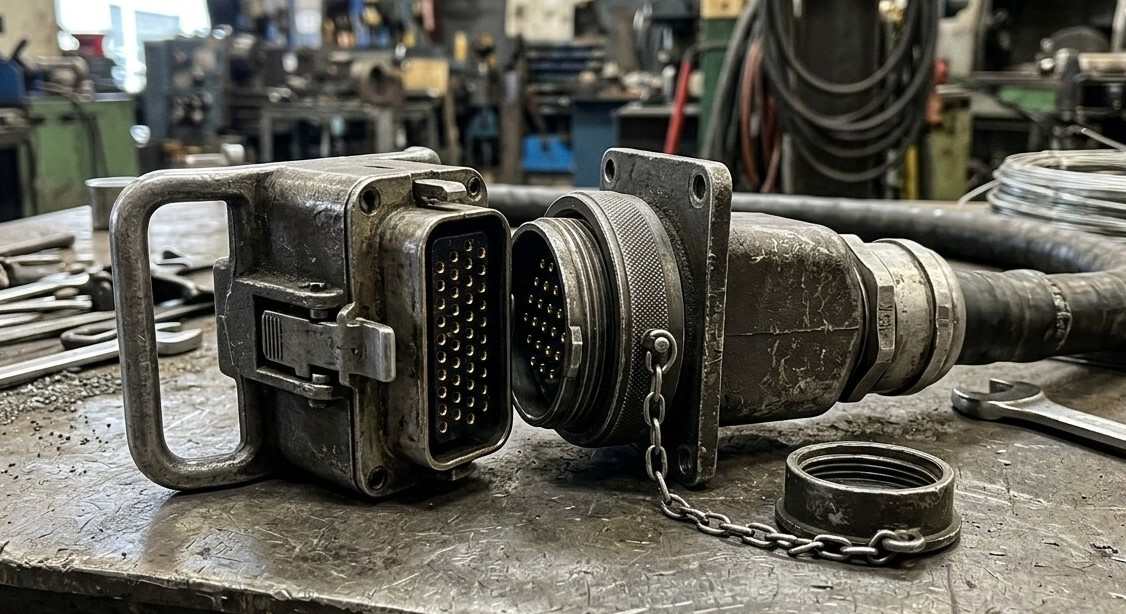
A heavy duty connector (HDC) is an industrial electrical connector designed to provide a secure connection between electrical cables, wires, and equipment in demanding environments. Also known as an HDC connector or industrial heavy duty connector, it is commonly used where standard connectors may not provide enough mechanical protection.
Heavy duty connectors are designed to handle vibration, dust, moisture, temperature changes, and frequent equipment movement. They are widely used in manufacturing plants, automation systems, machinery, control panels, transportation equipment, and industrial electrical systems.
What Is a Heavy Duty Connector?
A heavy duty connector is a modular electrical connection system consisting of a protective housing, connector insert, electrical contacts, and cable entry components. The housing protects the internal connection, while the contacts provide electrical conductivity.
Many HDC systems use rectangular housings, making them commonly known as rectangular industrial connectors. Their modular design allows users to select different inserts, contact configurations, and cable entry options according to application requirements.
Main Components of an HDC Connector
1- Connector Housing
The housing is the outer protective body of the connector. It protects internal contacts from impact, dust, moisture, and mechanical stress.
2- Connector Insert
The insert holds the electrical contacts in place. Different inserts can accommodate varying numbers of contacts for power, control, signal, or data connections.
3- Electrical Contacts
Contacts create the electrical connection between mating components. Their type and configuration depend on voltage, current, signal, and application requirements.
4- Cable Entry
The cable entry provides a secure route for cables entering the housing. Cable glands and related components can help secure the cable and maintain environmental protection.
5- Locking Mechanism
The locking mechanism keeps the connector securely mated. This is particularly important in applications exposed to vibration or equipment movement.
How Does a Heavy Duty Connector Work?
An HDC connector works by bringing compatible electrical contacts together inside a protected housing. The connector is attached to cables or equipment, and the mating components are secured using the locking mechanism.
Once connected, the contacts create an electrical path between the systems. The housing protects the connection from mechanical and environmental conditions.
This modular design also makes heavy duty electrical connectors easier to configure for different industrial wiring systems.
Types of Heavy Duty Connectors
1- Rectangular Heavy Duty Connectors
Rectangular connectors are widely used in industrial equipment because their modular design allows multiple contacts to be arranged within one housing. They are suitable for machinery, control systems, automation equipment, and electrical panels.
2- Heavy Duty Power Connectors
Power connectors are designed for applications requiring electrical power transmission. Their specifications should match the required voltage and current.
3- Heavy Duty Signal Connectors
Signal connectors are used for control and communication circuits. They can connect sensors, switches, controllers, and other industrial components.
4- Modular HDC Connectors
Modular systems allow different contact modules or inserts to be combined within one connector housing. These configurations are commonly available in heavy duty connector categories for industrial wiring applications.
Where Are HDC Connectors Used?
Heavy duty connectors for industrial applications are used across various sectors. Common applications include:
- Industrial machinery
- Factory automation systems
- Control panels
- Robotics and production equipment
- Motor and drive systems
- Railway and transportation equipment
- Renewable energy systems
- Material handling equipment
- Construction machinery
- Industrial power distribution
They are particularly useful where equipment requires reliable connections that can withstand mechanical and environmental stresses.
Benefits of Industrial Heavy Duty Connectors
1- Reliable Electrical Connections
A properly selected connector provides a secure connection between cables and equipment, helping reduce interruptions caused by loose connections.
2- Protection in Harsh Environments
Many industrial connectors are designed to protect connections against dust, moisture, and other environmental conditions. The required protection level depends on the specific connector and installation.
3- Strong Mechanical Protection
Heavy duty connector housings are designed to handle vibration, impact, and repeated equipment use.
4- Easy Maintenance
Detachable connectors can simplify maintenance because cables and components can be disconnected without permanently changing the wiring system.
5- Flexible Configuration
Modular inserts and different housing configurations allow HDC connectors to support various power, signal, and control requirements.
How to Choose the Right HDC Connector
When selecting a heavy duty industrial connector, consider these factors:
- Current and voltage: Ensure the contacts are suitable for the electrical load.
- Number of contacts: Choose an insert with enough contacts for the required circuits.
- Environmental conditions: Consider exposure to water, dust, chemicals, vibration, and temperature.
- Protection rating: Check the IP rating when protection against dust and water is required.
- Cable size: Ensure the connector and cable entry components match the cable diameter.
- Mounting requirements: Consider whether the connector will be panel mounted, surface mounted, or attached directly to equipment.
- Locking system: Choose a locking mechanism suitable for the application’s vibration and mechanical conditions.
HDC Connector vs Standard Electrical Connector
The main difference between an HDC connector and a standard electrical connector is the level of protection and durability required.
Standard connectors are often suitable for controlled environments and general electrical applications. Heavy duty electrical connectors are designed for more demanding industrial conditions.
They typically feature robust housings, secure locking systems, modular construction, and greater protection against mechanical and environmental stresses.
Final Thoughts
A heavy duty connector (HDC) provides a practical solution for connecting electrical equipment in demanding industrial environments. Its housing, inserts, contacts, cable entry, and locking mechanism work together to create a secure and protected connection.
From factory automation and machinery to control panels and transportation systems, industrial HDC connectors support a wide range of power, signal, and control applications.
When choosing an HDC connector, consider electrical ratings, contact configuration, cable size, environmental conditions, protection rating, and mounting requirements. If you are researching a heavy duty connector supplier in UAE for industrial connection requirements, Aswan Electric can also be a useful resource to explore. For further guidance on selecting a suitable connector for your application, contact our team.
Related Electrical Guides
- The Ultimate Introductory Guide to Electrical Wires and Cables: Covers common wire and cable types and their applications.
- Cable Glands: Types, Sizes and Installation Guide: Explains cable gland types, sizing, and installation methods.
- Metal Enclosures: Materials, Properties and Selection Guide: Explores enclosure materials, properties, and selection factors.
- What Is a Limit Switch? Its Types, Functions and Applications: Explains limit switch types, functions, and industrial uses.
- Schneider MCB Selection Guide for UAE Projects: Covers key factors for selecting Schneider MCBs for projects.