Electric motors power almost every industrial and commercial process today from pumps and fans to conveyors and compressors. Running these motors at full speed all the time wastes energy and puts unnecessary stress on equipment.
A variable frequency drive solves this problem by giving operators precise control over motor speed and torque. In this guide we explain what a variable frequency drive is how it works and why it has become an essential part of modern electrical systems.
What Is a Variable Frequency Drive?
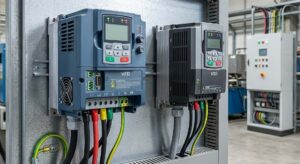
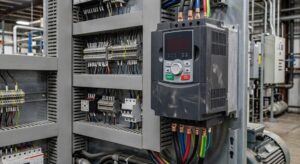
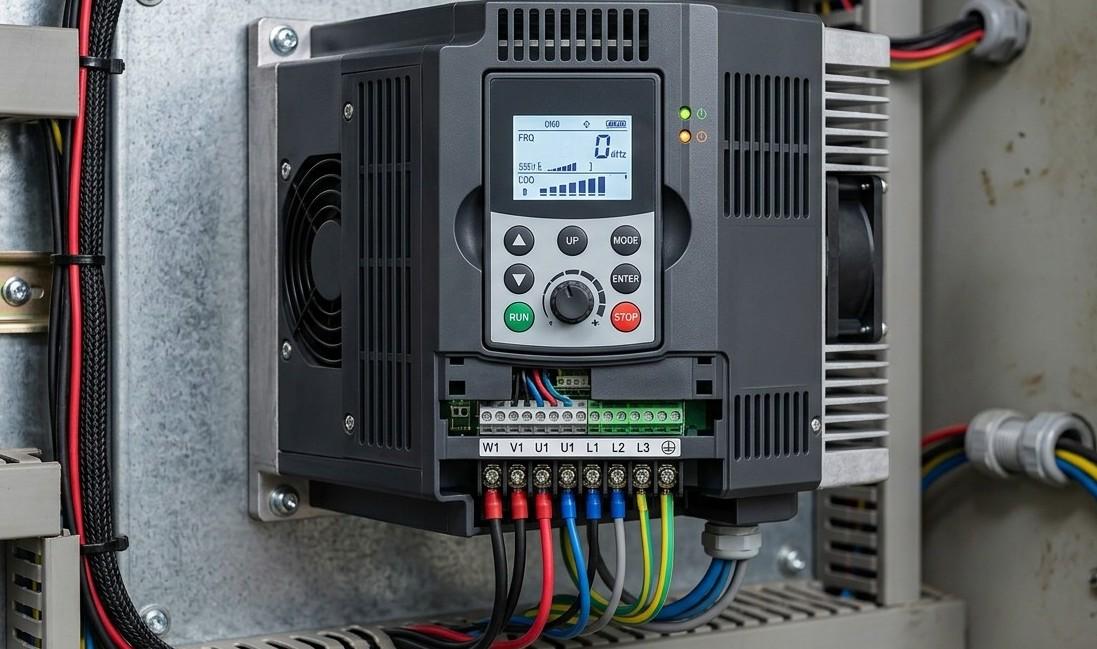
A variable frequency drive or VFD is an electronic device that controls the speed of an AC electric motor. It does this by adjusting the frequency and voltage of the power supplied to the motor.
It is also known by other names such as adjustable speed drive variable speed drive adjustable frequency drive AC drive or simply a drive. Regardless of the name the purpose remains the same, matching motor speed to the actual demand of the application instead of running at a fixed full speed.
Motors connected directly to the power line spin at a speed determined by the line frequency and the number of motor poles. A VFD changes this relationship by generating a new frequency, allowing the motor to run faster or slower depending on process requirements.
How Does a Variable Frequency Drive Work?
A VFD works in three main stages that convert and reshape electrical power before it reaches the motor.
Rectification
The drive first converts incoming AC power into DC power using a rectifier built from diodes or transistors. This stage removes the fixed frequency of the incoming supply.
DC Bus Filtering
The rectified DC power still contains ripple. Capacitors on the DC bus smooth it into a stable DC voltage that feeds the next stage.
Inversion and Pulse Width Modulation
The final stage uses transistors known as IGBTs to switch the DC voltage on and off rapidly. This recreates an adjustable AC waveform through a technique called pulse width modulation.
By changing the switching pattern the drive can output almost any frequency and voltage needed to control motor speed smoothly.
Why You Need a Variable Frequency Drive?
Installing a VFD delivers measurable benefits across energy use equipment life and process control.
Key advantages include
- Lower energy consumption often reducing power use by 40 percent or more compared to motors running unregulated at full speed
- Soft starting that eliminates the high inrush current seen when motors start directly across the line
- Extended equipment lifespan due to reduced mechanical stress on motors bearings and connected machinery
- Improved power factor which lowers strain on the wider electrical system
- Precise process control for flow pressure and temperature sensitive applications
Fan and pump applications see even greater savings because power demand follows the affinity laws. Reducing speed to half of its original value can cut power consumption to roughly one eighth while pressure drops to about one quarter.
Variable Frequency Drive Versus Traditional Motor Control
The table below compares a motor running with traditional across the line control against one operated through a VFD.
| Parameter | Traditional Motor Control | VFD Controlled Motor |
| Energy Consumption | High and constant regardless of load | Adjusts automatically to match actual demand |
| Starting Current | Can reach 600 percent of rated current | Soft start keeps inrush low |
| Speed Control | Fixed single speed operation | Fully adjustable speed range |
| Mechanical Wear | Higher due to sudden starts and stops | Reduced through gradual acceleration |
| Maintenance Needs | More frequent due to stress on components | Lower with smoother operation |
Common Applications of Variable Frequency Drives
VFDs are used across nearly every industry that relies on electric motors. Typical applications include
- Pumps and compressors where flow needs to match demand rather than run at a fixed rate
- Fans and blowers in HVAC and ventilation systems
- Conveyor belts cranes and hoists that require smooth acceleration and deceleration
- Crushers mixers and mills that experience variable load and torque demands
- Marine propulsion and shaft power generation systems
Facilities upgrading older equipment often pair a VFD project with a broader review of their entire motor control setup, since drive selection and motor type go hand in hand.
Choosing the Right VFD Supplier in UAE
Selecting a dependable partner matters as much as selecting the right drive itself. A qualified VFD supplier UAE Schneider dealer such as Aswan Electric can help you match the correct drive to your motor type voltage and application while ensuring the product meets UAE electrical standards.
Look for a supplier who offers
- Genuine products backed by manufacturer warranty
- Technical guidance on sizing and application matching
- Local stock availability to minimize project delays
- After sales support for commissioning and troubleshooting
Working with an experienced supplier reduces the risk of compatibility issues and helps your project stay on schedule and within budget.
Maintenance Tips for Long Term VFD Performance
Regular maintenance keeps a VFD running efficiently for years. Recommended practices include
- Inspecting cooling fans and heat sinks for dust buildup
- Checking wiring terminals and connections for looseness
- Monitoring operating voltage current and temperature over time
- Updating firmware when new versions are released by the manufacturer
- Scheduling periodic inspections rather than waiting for a fault to appear
Pairing a VFD with proper monitoring equipment also helps track energy performance over time, giving facility teams clear visibility into consumption trends.
Following these steps helps prevent unexpected downtime and protects the investment made in the drive and the connected motor.
Conclusion
A variable frequency drive is one of the most effective tools available for improving energy efficiency extending equipment life and gaining precise control over motor driven processes. From pumps and fans to conveyors and cranes the benefits of adjustable speed control apply across nearly every industrial and commercial setting.
Choosing the right drive and pairing it with a knowledgeable supplier ensures the system performs reliably for years to come.
Ready to Find the Right Variable Frequency Drive for Your Project
Whether you need a single drive for a small pump or a complete motor control solution for a large facility, Aswan Electric provides genuine products, expert guidance, and dependable support across all project requirements.
Contact our team today to discuss the right variable frequency drive solution for your application.
Explore More Electrical Guides and Articles
- Power Cable vs Control Cable Which Is Better explains the key differences between power and control cables and their specific applications in electrical systems.
- Cable Glands Explained Types Sizes and Installation Guide covers different cable gland types, sizing standards, and proper installation methods for safe cable management.
- Why Smart Businesses Work with Schneider Electric Suppliers discusses the benefits of partnering with authorized Schneider Electric suppliers for reliable and efficient electrical solutions.
- What Are Rubber Cables Types Benefits and Applications explores rubber cable types, their durability, and where they are commonly used in industrial and heavy duty environments.
- The Ultimate Introductory Guide to Electrical Wires and Cables offers a complete overview of electrical wires and cables, their classifications, and fundamental usage in modern electrical systems.